How to Grow Apple Trees with High Yields
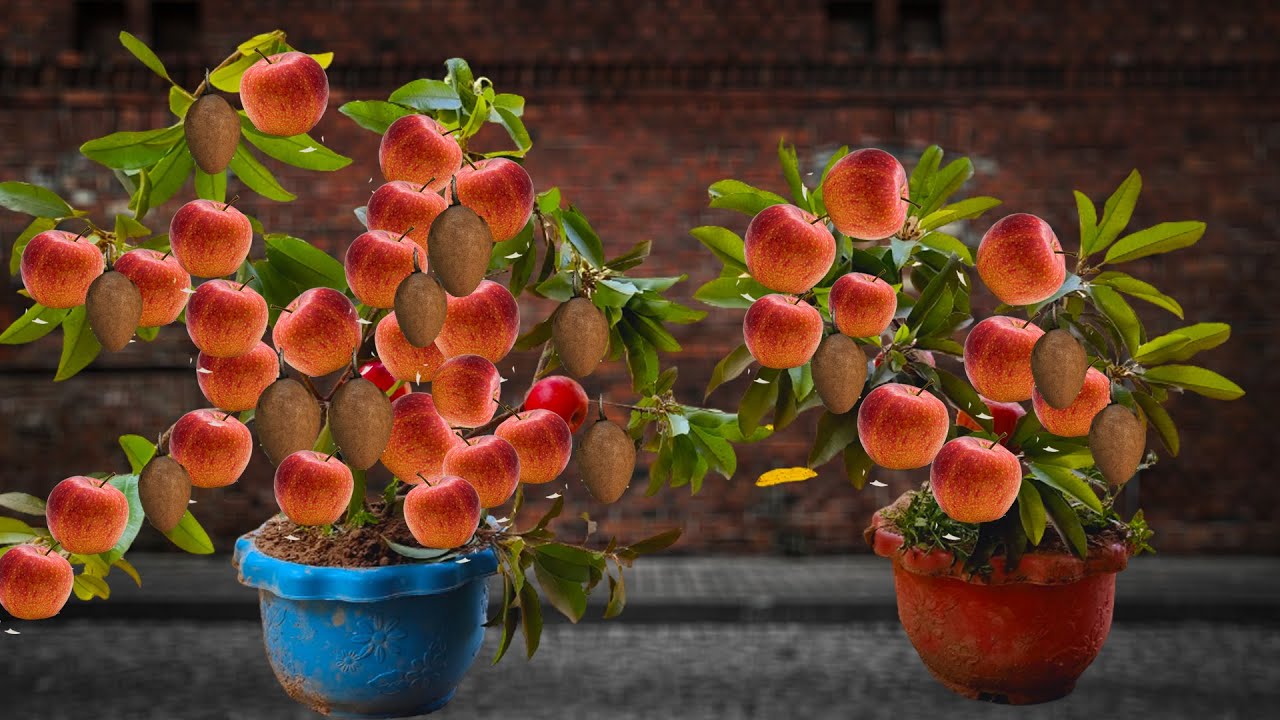
Growing apple trees that produce abundant, healthy fruit is a rewarding goal for any gardener or small farmer. While apple trees are relatively hardy, achieving consistently high yields requires the right combination of variety selection, planting techniques, care, and patience. By understanding the basic needs of apple trees and applying proven cultivation practices, you can significantly increase both fruit quality and quantity.
1. Choose the Right Apple Varieties
The foundation of high yields begins with selecting suitable apple varieties. Not all apples thrive in every climate. Some varieties prefer cool temperate regions, while others tolerate warmer conditions. When choosing, consider:
- Climate compatibility: Select varieties adapted to your local temperature range and chilling hours.
- Disease resistance: Modern cultivars resistant to common diseases like apple scab, fire blight, and powdery mildew reduce crop losses.
- Pollination needs: Most apple trees are not self-fertile. Plant at least two compatible varieties that bloom at the same time to ensure good pollination.
Popular high-yield varieties include ‘Gala’, ‘Fuji’, ‘Golden Delicious’, and ‘Honeycrisp’, but local recommendations are always best.
2. Proper Site Selection and Soil Preparation
Apple trees need the right environment to perform well. Choose a planting site that receives full sun, ideally 6–8 hours of direct sunlight per day. Sunlight is essential for flower formation, fruit development, and sugar accumulation.
Soil should be:
- Well-draining, as apple roots do not tolerate waterlogging.
- Rich in organic matter, with a slightly acidic pH (6.0–6.8).
Before planting, loosen the soil deeply and mix in compost or well-rotted manure. This improves soil structure, nutrient availability, and root development.
3. Correct Planting Techniques
Planting correctly ensures strong early growth. Dig a hole twice as wide as the root ball and deep enough so the graft union (the swollen area on the trunk) sits 5–10 cm above the soil surface. This prevents the scion from rooting and maintains the tree’s desired characteristics.
After planting:
- Water thoroughly to remove air pockets.
- Mulch around the base with straw or wood chips to retain moisture and suppress weeds, keeping mulch away from direct contact with the trunk.
4. Watering for Consistent Growth
Apple trees require regular watering, especially during the first few years and during fruit development. Deep watering encourages roots to grow downward, making trees more drought-resistant.
Key watering tips:
- Water young trees once or twice a week during dry periods.
- Mature trees need extra water during flowering and fruit swelling.
- Avoid overwatering, which can cause root diseases and reduce yields.
Consistent moisture helps prevent fruit drop and improves apple size.
5. Balanced Fertilization
Nutrition plays a major role in yield. Too little fertilizer results in weak growth, while too much nitrogen promotes excessive leaf growth at the expense of fruiting.
For best results:
- Apply compost annually in early spring.
- Use a balanced fertilizer (such as 10-10-10) if soil tests indicate nutrient deficiencies.
- Focus on potassium and phosphorus to support flowering and fruit quality.
Leaf color and growth rate are good indicators of nutrient balance. Healthy leaves should be deep green without excessive softness.
6. Pruning and Training for Productivity
Proper pruning is one of the most important practices for high apple yields. Pruning improves light penetration, air circulation, and directs the tree’s energy toward fruit production.
Prune during dormancy (late winter):
- Remove dead, diseased, or crossing branches.
- Maintain an open canopy shape, such as a central leader or open center.
- Encourage strong, horizontal branches, as they produce more fruit than vertical ones.
Summer pruning can also help control vigorous growth and improve fruit color.
7. Pollination and Flower Management
Good pollination directly affects yield. Encourage pollinators like bees by planting flowering plants nearby and avoiding pesticide use during bloom.
In young trees, it is often beneficial to thin flowers or small fruits. While this seems counterintuitive, thinning:
- Prevents branch breakage.
- Produces larger, better-quality apples.
- Helps avoid biennial bearing (heavy crops one year, light the next).
Leave one fruit every 10–15 cm along a branch for optimal results.
8. Pest and Disease Control
Healthy trees yield more fruit. Regularly inspect trees for pests such as aphids, codling moths, and mites. Integrated Pest Management (IPM) strategies are effective and environmentally friendly.
Best practices include:
- Removing fallen leaves and fruit to reduce disease spread.
- Using organic sprays like neem oil or soap when needed.
- Applying preventative fungicides if disease pressure is high.
Early detection and consistent care prevent serious yield losses.
9. Patience and Long-Term Care
Apple trees take time to reach full productivity, often 3–5 years after planting. With consistent care, a mature apple tree can produce hundreds of kilograms of fruit annually for decades.
By combining good variety selection, proper planting, regular pruning, balanced nutrition, and attentive pest management, you can grow apple trees that deliver high yields year after year.
Growing apples successfully is not about a single technique, but about understanding the tree’s needs and working with nature. With dedication and the right practices, your apple orchard can become a reliable source of abundant, high-quality fruit. 🍎🌳