A Simple and Useful Technique for Growing Tomatoes with Papaya for a High Yield
Growing fruits and vegetables at home is becoming more popular because it helps save money, provides healthy food, and gives a fun gardening experience. Among the easiest plants to grow in tropical and warm climates are tomatoes and papaya. Both are fast-growing, high-yield crops that can be grown together with simple techniques to make better use of space, improve the soil, and increase production. In this guide, you will learn a practical and effective method for growing tomatoes with papaya in the same garden area to achieve a higher and healthier yield.
Why Grow Tomatoes with Papaya?
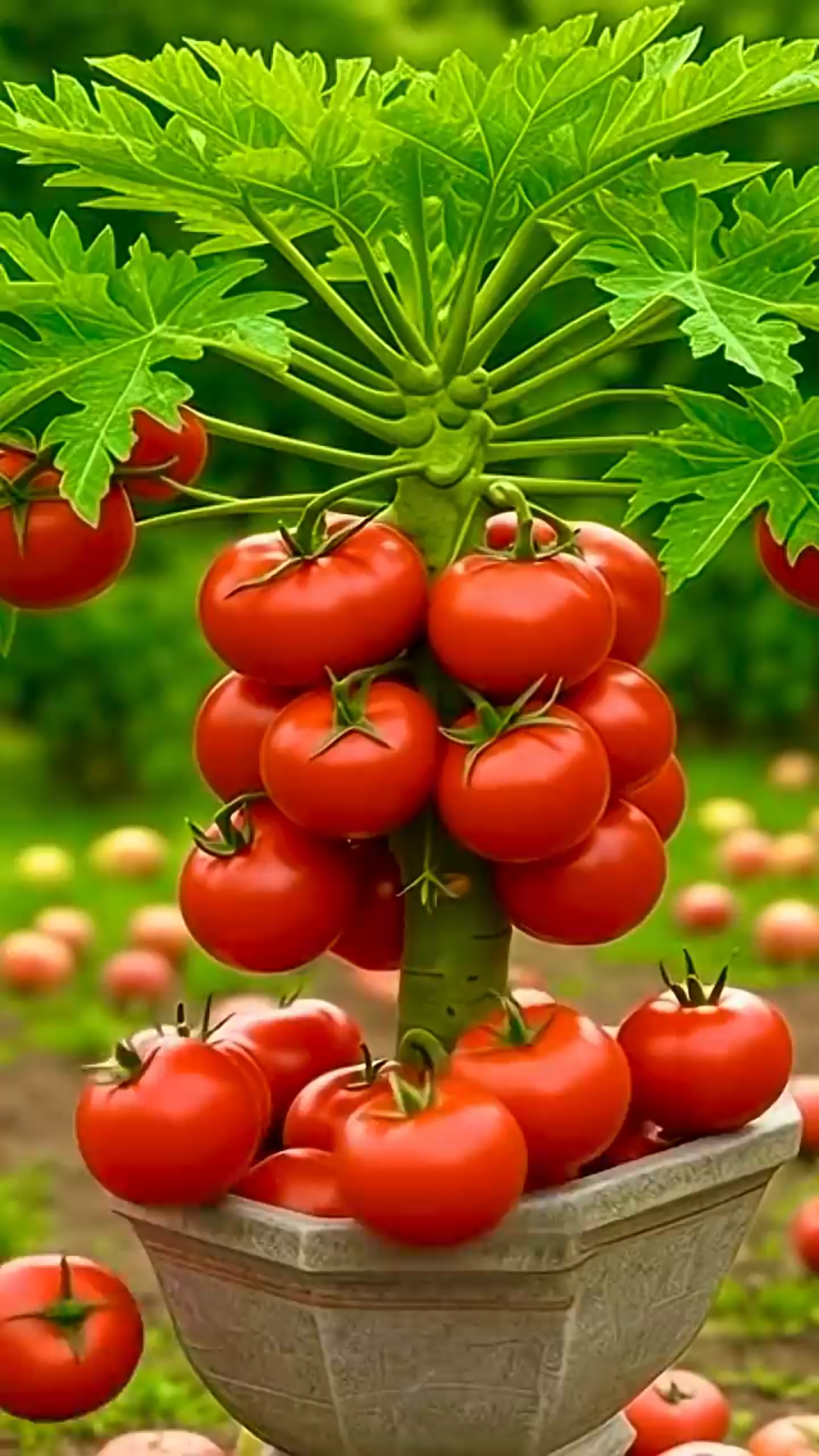
Tomatoes and papaya complement each other well in a mixed-planting garden system. Papaya trees grow tall and straight, while tomato plants stay lower and prefer partial shade, especially in very hot climates. Planting them together helps protect tomatoes from scorching sun and reduces stress on their leaves and fruits.
Here are some benefits of growing these two crops together:
- Better space usage: Papaya grows vertically, allowing tomato plants to use the area around the trunk.
- Natural shading: Papaya leaves provide light shade that keeps tomatoes from overheating.
- Moisture retention: The shaded soil stays cool and holds water longer, meaning fewer watering needs.
- Improved soil nutrients: Papaya roots help break up hard soil, helping tomato roots grow easier.
- Low pest pressure: Diversity in plants can reduce pest attacks since pests are confused by mixed scents.
These advantages create a healthier environment for both crops, which directly leads to a higher yield.
Step-by-Step Technique to Grow Tomatoes with Papaya
1. Preparing the Planting Area
Choose a place with full sun in the morning and partial shade during the afternoon. Papaya loves strong sunlight while tomatoes prefer a bit of protection from heat and heavy rain. Use well-draining soil enriched with compost.
Soil mixture recommendation:
- 50% good garden soil
- 30% compost or well-rotted manure
- 20% sand or rice husk for drainage
Clear weeds and loosen the soil at least 30 cm deep.
2. Planting the Papaya First
Plant papaya seeds or seedlings at least 2–3 meters apart, depending on how many trees you want. Papaya grows fast and within 2–3 months, it will create enough height and leaf spread to give shade below.
Tips for healthy papaya growth:
- Avoid waterlogging — papaya roots hate standing water.
- Apply organic fertilizer such as compost every 2–3 weeks.
- Remove yellow leaves to prevent disease.
3. Intercropping Tomatoes Around Papaya
After the papaya plant is about 60–80 cm tall, you can plant tomatoes around the base. Keep tomato plants 40–50 cm apart from the trunk so the roots do not compete too closely.
You can plant 3–4 tomato plants around one papaya tree in a circular pattern.
4. Support and Training System
Tomato plants need support to grow upright and avoid fruit touching the soil. Use bamboo sticks, wire cages, or tie them loosely to the papaya trunk. This method:
- Saves space
- Prevents fruit rot
- Improves air circulation
Check the ties regularly and adjust to avoid damaging the plant stems.
5. Watering and Fertilizing
Both papaya and tomatoes need regular and balanced watering.
Watering schedule:
- Once daily in hot weather
- Every 2–3 days in rainy season
Tomatoes benefit from more frequent fertilizing during fruiting:
- Use organic manure tea or fermented vegetable water every week
- Apply potassium and calcium sources such as banana peel fertilizer to strengthen fruit
Papaya enjoys compost applied around the base once a month.
6. Mulching for Better Soil Health
Use dried leaves, rice straw, or grass clippings to cover the soil around both crops. Mulch helps:
- Keep soil moisture stable
- Prevent weeds
- Improve soil structure as it decomposes
This simple step greatly increases yield and plant health.
7. Pest and Disease Prevention
The mixed planting system naturally reduces pests, but extra care helps ensure success:
- Remove infected leaves immediately
- Use neem oil or chili-garlic spray to control insects organically
- Avoid overwatering to prevent fungal disease
Check your tomatoes and papaya regularly to catch problems early.
Harvesting for Maximum Yield
Papaya may begin producing fruit within 8–12 months, while tomatoes can start producing in just 60–90 days after planting. Harvest tomatoes when they turn bright red or reach their full color depending on the variety. Pick them gently to avoid damaging the stems.
For papaya, wait until you see yellow coloring on the skin. Do not allow fruits to over-ripen on the tree.
By harvesting regularly:
- Plants continue to produce
- Fruit size and quality improve
- You enjoy fresh produce for a longer time
Conclusion
Combining tomatoes with papaya in a single garden space is an excellent gardening idea for anyone looking for a high yield with low effort. This simple technique uses nature’s balance — tall papaya trees provide shade and structure, while tomato plants thrive below with cooler soil and more moisture. With proper planting distance, good soil, regular watering, and organic care, you will enjoy fresh tomatoes in just a few months and delicious papayas later in the year.
Try this practical and useful gardening method at home, and you will be amazed by how much food you can grow even in a small space. Happy gardening and may your harvest be plentiful! 🍅🌿🥭