How To Growing Jujube Tree from Jujube Fruit
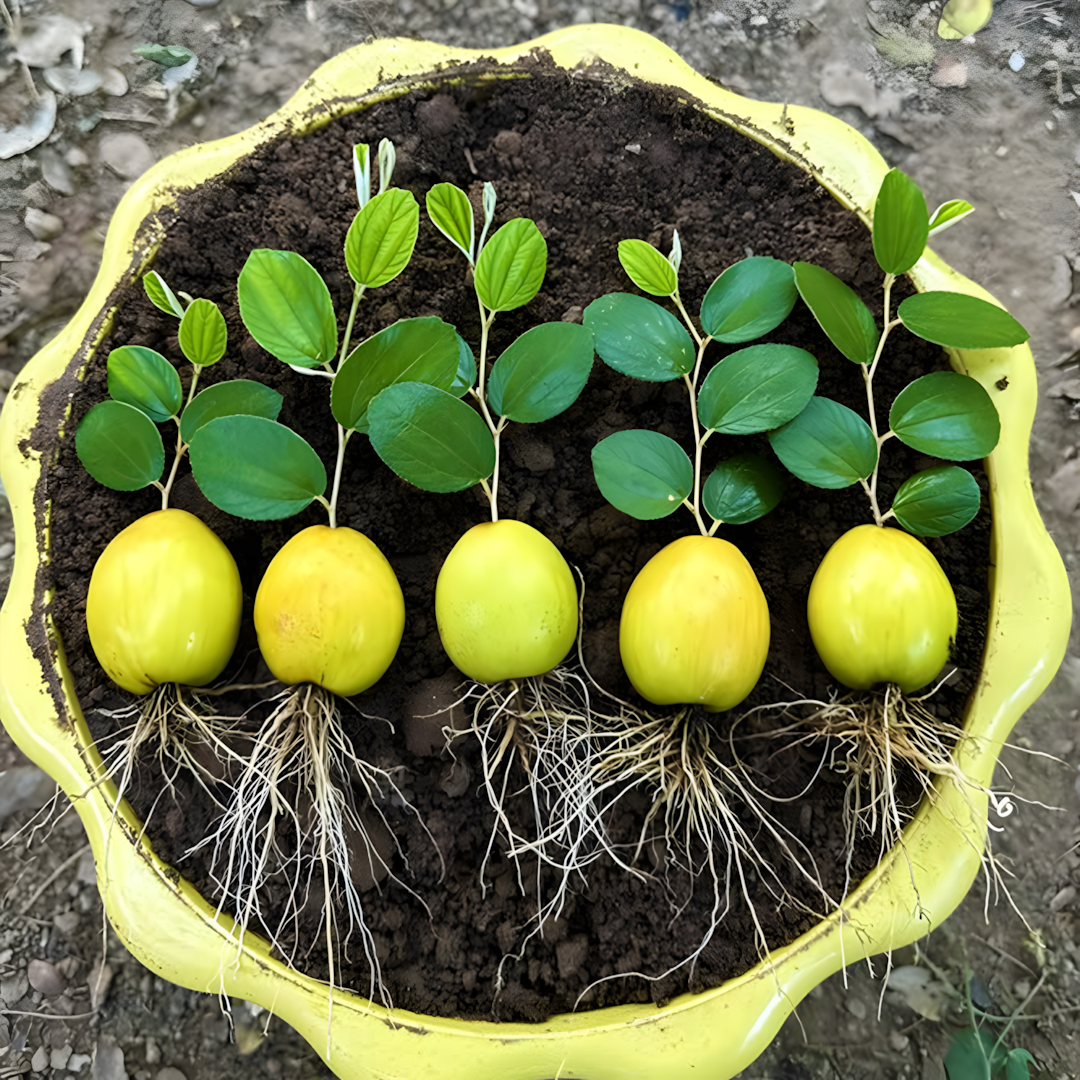
Growing a jujube tree from jujube fruit is a rewarding and enjoyable process, especially for home gardeners who want to experience the full journey from seed to fruiting tree. Jujube (Ziziphus jujuba), also known as Chinese date, is a hardy fruit tree that adapts well to many climates, including warm and semi-dry regions. With patience and proper care, you can successfully grow a healthy jujube tree using seeds taken directly from ripe fruit.
Understanding the Jujube Tree
Jujube trees are valued for their sweet, nutritious fruits and their strong resistance to drought and pests. The tree can grow 5–10 meters tall and produces fruit that can be eaten fresh, dried, or used in traditional medicine. While many commercial jujube trees are grown from grafting, growing from fruit seeds is an excellent method for home growers and learning purposes.
Step 1: Selecting and Preparing the Jujube Fruit
Start by choosing fully ripe, healthy jujube fruits. Ripe fruits are usually reddish-brown and slightly soft. Avoid damaged or diseased fruits.
- Cut open the fruit and remove the hard seed (stone) inside.
- Wash the seed thoroughly to remove any remaining flesh, as leftover pulp can cause mold.
- Allow the seed to dry in a shaded, well-ventilated place for 1–2 days.
The jujube seed has a very hard shell, which can slow germination. To improve success, lightly crack the shell using pliers or gently tap it with a hammer. Be careful not to damage the inner seed.
Step 2: Soaking the Seeds
Soaking helps soften the seed and encourages faster germination.
- Place the cracked seeds in clean water for 24–48 hours.
- Change the water once during soaking to prevent fermentation.
After soaking, the seeds are ready for planting.
Step 3: Preparing Soil and Containers
Jujube trees prefer well-draining soil. Poor drainage can cause root rot and weak growth.
Ideal soil mix:
- 40% garden soil
- 30% compost or well-rotted manure
- 30% sand or rice husk ash
You can plant seeds in small pots, seed trays, or plastic bags with drainage holes. Fill the container with soil and water lightly before planting.
Step 4: Planting the Seeds
Plant each seed about 2–3 cm deep in the soil. Cover lightly and press gently to secure the seed in place.
- Water lightly after planting.
- Place the container in a warm location with indirect sunlight.
Germination usually occurs within 2–4 weeks, depending on temperature and seed quality.
Step 5: Caring for Young Seedlings
Once the seedlings emerge, proper care is essential.
- Light: Provide morning sunlight or partial sun. Avoid strong afternoon sun at this stage.
- Water: Keep soil moist but not soggy. Overwatering can kill young roots.
- Ventilation: Ensure good airflow to prevent fungal diseases.
After 6–8 weeks, seedlings will develop stronger stems and multiple leaves.
Step 6: Transplanting to the Ground or Larger Pots
When the seedling reaches about 20–30 cm in height, it is ready to be transplanted.
Choose a planting location that offers:
- Full sunlight (at least 6–8 hours daily)
- Well-drained soil
- Enough space for root expansion
Dig a hole twice the size of the root ball, place the seedling inside, and cover with soil. Water thoroughly after planting.
Step 7: Long-Term Tree Care
Jujube trees are low-maintenance but benefit from regular care.
- Watering: Water deeply once or twice a week during dry periods. Mature trees tolerate drought well.
- Fertilizing: Apply compost or organic fertilizer every 2–3 months.
- Pruning: Remove weak or crossing branches to improve airflow and shape the tree.
- Mulching: Add dry leaves or straw around the base to retain moisture and suppress weeds.
Step 8: Flowering and Fruiting
Trees grown from seed usually begin flowering and fruiting after 3–5 years. While seed-grown trees may vary in fruit size and sweetness, they are often strong and well-adapted to local conditions.
For better fruit production:
- Ensure full sun exposure
- Avoid excessive nitrogen fertilizer
- Encourage pollinators like bees
Common Problems and Solutions
- Slow germination: Crack the seed shell and soak longer.
- Yellow leaves: Improve drainage and reduce watering.
- Poor fruiting: Increase sunlight and prune overcrowded branches.
Conclusion
Growing a jujube tree from jujube fruit is a simple yet fulfilling gardening project. From selecting ripe fruit to caring for a mature tree, each step teaches patience and plant care skills. With proper soil, sunlight, and minimal maintenance, your jujube tree can thrive for decades and provide delicious, healthy fruits for your family. Whether you are a beginner or an experienced gardener, this natural method is a wonderful way to grow your own jujube tree from seed. 🌱