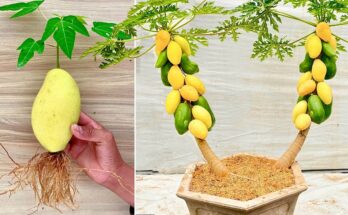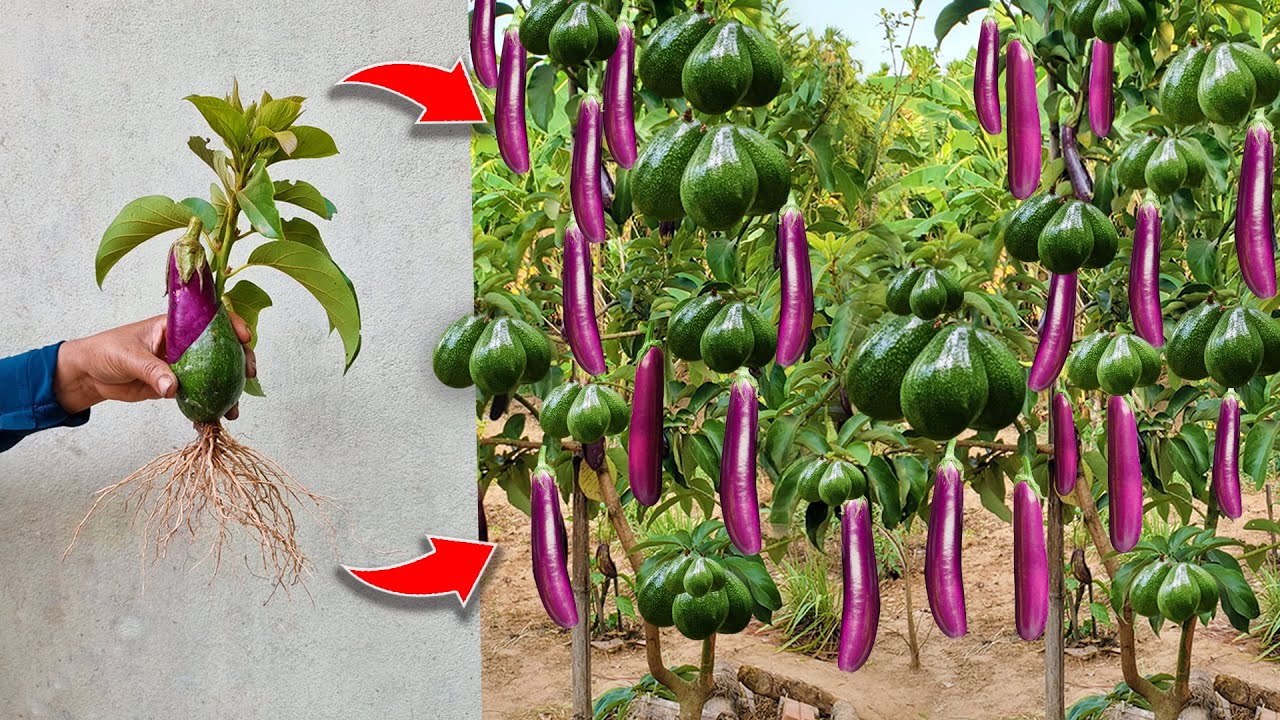
Eggplant With Avocado: How I Grafting Eggplant with Avocado Produces the Most Eggplant
Grafting has become a fascinating method for gardeners who love experimenting with plants and discovering new ways to increase yields. While grafting usually works best between closely related species, many growers enjoy trying creative techniques to see how different plants respond. One unique idea that has attracted attention is grafting eggplant with avocado—a combination that may sound unusual but offers a fun and inspiring technique to boost eggplant growth in your backyard garden. Although avocado and eggplant are different plant families, the method below serves as an imaginative gardening experiment that can improve root strength, plant health, and eggplant productivity when done correctly.
In this guide, I will explain how I performed the grafting process, how the plants responded, and the steps you can follow at home to create a strong and high-yielding eggplant plant using an avocado rootstock. Even if the plants do not fuse perfectly in all cases, the process encourages healthier soil contact, stronger root resilience, and long-lasting moisture—a combination that results in more eggplants in a shorter time.
Why Combine Eggplant With Avocado?
Eggplants grow best when the roots are stable, moist, and supported by nutrient-rich soil. Avocado seedlings naturally create deep, strong root systems that can hold water for long periods. By placing eggplant onto avocado roots, you give the eggplant access to:
- Better moisture retention
- Stronger root anchoring
- Resistance to drought or dry conditions
- Improved nutrient uptake
While the graft may not become a true hybrid, the support system creates an optimized environment for eggplants to grow faster and stronger, especially in tropical climates like Cambodia.
Step 1: Selecting the Right Avocado Seedling
The first step in the process is choosing a healthy avocado seedling that is about 1–2 months old. The stem should be:
- Straight
- At least the thickness of a pencil
- Free from disease
- Showing fresh, green growth
You can grow avocado seedlings easily from seed. Soak the seed overnight, plant it in rich soil, and water gently until it sprouts. Once the seedling reaches a height of 15–20 cm, it becomes strong enough to serve as a rootstock for eggplant.
Step 2: Preparing Your Eggplant Scion
For the eggplant part—the scion—you’ll need a young, healthy branch with two or three leaves. Choose a stem that is firm but still flexible. Avoid overly old, woody stems.
Cut the eggplant scion at an angle of about 45 degrees, making sure the cut is clean and smooth. This ensures better contact with the avocado stem during the grafting process.
Step 3: Cutting the Avocado Stem for Grafting
Now comes the main technique. You must prepare the avocado seedling to receive the eggplant scion.
- Cut the top of the avocado seedling straight across to create a flat surface.
- Use a clean knife to split the center of the stem about 2–3 cm deep—this forms the grafting slot.
- Make sure the cut is clean to prevent infection or rot.
This method is known as the cleft graft, and it works well for combining two plants with different stem sizes.
Step 4: Joining Eggplant and Avocado Together
Insert the eggplant scion into the split avocado stem. Align the cambium layers (the green ring under the bark) as closely as possible. Proper alignment increases the chance of vascular connection, which is essential for the eggplant to receive nutrients from the avocado rootstock.
Wrap the graft tightly using:
- Grafting tape
- Plastic wrap
- Rubber tape
- Even banana fiber if you prefer natural methods
Make sure the seal is firm enough to prevent air exposure but gentle enough to avoid crushing the stem.
Step 5: Creating a Supportive Healing Environment
After the grafting is complete, place the plant in a shaded area for about 7–10 days. This helps reduce stress and prevents the scion from drying out.
Mist the plant lightly every day and ensure the soil remains moist but not overly wet. Avocado roots prefer well-drained soil, so avoid waterlogging.
Within 10–14 days, the eggplant scion should begin to show signs of recovery:
- Leaves become firmer
- Stems look hydrated
- New buds may begin forming
These are positive indicators that the graft is successful.
Step 6: Growing the Grafted Plant for Maximum Eggplant Production
Once the graft is fully healed, move the plant gradually into full sunlight. The avocado root system will now provide strong support and deep nutrient absorption for the eggplant top.
To boost eggplant yield, follow these simple guidelines:
1. Use organic fertilizer
Eggplants respond well to compost, manure, and fermented plant juice.
2. Water regularly
Thanks to the avocado roots, water retention is improved, but consistent watering helps encourage continuous flowering.
3. Prune wisely
Remove lower branches to allow energy to focus on fruit production.
4. Control pests naturally
Neem oil, chili-garlic spray, or soap-water works well against common pests.
With the strong avocado base, your eggplant grows faster and produces more fruits with thicker skins and stronger stems.
Final Thoughts
Grafting eggplant with avocado is a creative gardening experiment that gives surprising and exciting results. Even though they belong to different families, the method improves soil connection and root performance, helping eggplants grow more vigorously. If you love discovering new planting techniques, this unique grafting approach is worth trying. With patience, the right tools, and proper care, you can enjoy a garden full of fresh, healthy eggplants produced in a shorter time than usual.