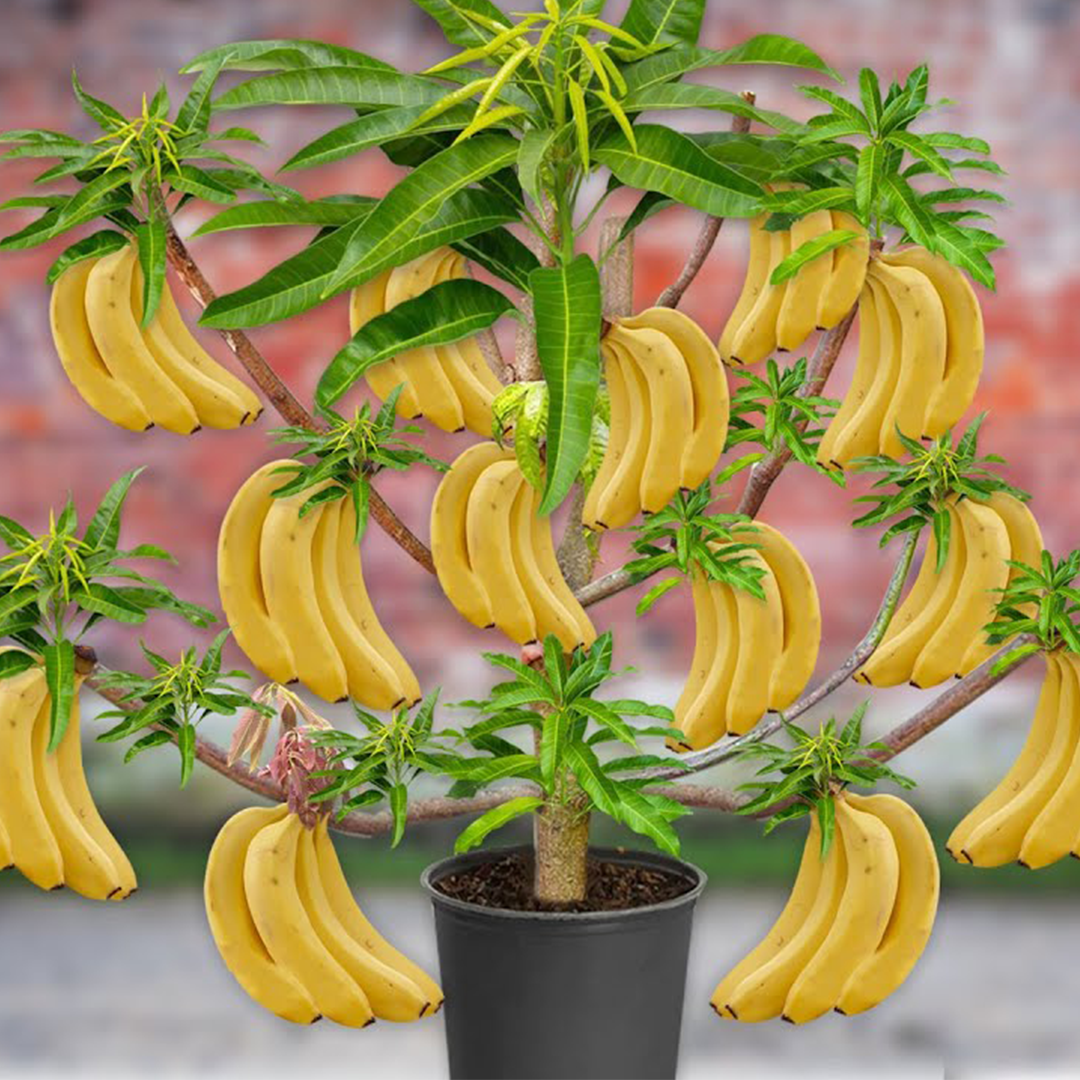
Let’s To See How I Graft Banana Flower With Mango Tree To Produce The Most Fruit in a Short Time
Grafting is one of the most fascinating techniques in gardening, allowing growers to combine the strengths of different plants into one productive hybrid system. While traditional grafting usually involves joining closely related species, many gardeners around the world love experimenting with unusual or creative methods to boost growth, increase fruiting, or simply explore new possibilities in horticulture. One such creative idea is grafting banana flower with a mango tree to stimulate fast growth and encourage abundant fruiting. Although this technique is unconventional, many gardeners enjoy trying it as a fun experiment—and with proper steps, it can help strengthen your mango tree and potentially promote faster fruit development.
In this guide, you will learn a simple, interesting, and highly engaging method of grafting a banana flower onto a mango tree. This technique focuses on using the natural nutrients and moisture of the banana flower to energize the mango tree’s branches. Whether you are a beginner or an experienced gardener, this step-by-step guide will help you understand the process clearly and apply it in your home garden.
Why Grafting Banana Flower With Mango Tree?
The banana flower is full of nutrients, moisture, and natural sugars. Gardeners believe that attaching it to a mango tree can help:
- Increase sap flow in the mango branches
- Strengthen new shoots
- Speed up the fruiting cycle
- Stimulate flowering and fruit set
- Provide natural nutrients similar to organic fertilizer
While this technique is not a traditional scientific graft, it works more like a nutrient-boosting method that transfers moisture and energy from the banana flower to the mango tree during its growing stage. Many gardeners claim this method helps their mango trees bloom earlier and produce stronger fruit buds in a shorter period of time.
Materials You Will Need
To perform this unique grafting technique, prepare the following simple materials:
- A fresh banana flower (young and firm)
- A healthy mango tree branch (preferably 1–2 years old)
- A sharp grafting knife or pruning blade
- Rope, plant tape, or banana fiber strips
- Organic soil or compost
- A small piece of clean cloth
- Natural hormone like aloe vera (optional)
Using fresh and clean materials increases the success rate and prevents infection on your mango tree branch.
Step-By-Step Guide to Perform the Grafting
Step 1: Select the Best Branch on the Mango Tree
Choose a strong, healthy branch about the width of your thumb or larger. This should be a productive branch that receives enough sunlight. Avoid branches that are weak, cracked, or recently damaged by insects.
A good graft site is usually:
- 1 meter above the ground
- Flexible but still woody
- Positioned in open air for proper airflow
This ensures the nutrients from the banana flower will be absorbed efficiently.
Step 2: Prepare the Banana Flower
Select a banana flower that is fresh, heavy, and still unopened at the tip. Cut off the bottom part of the banana flower so it exposes the moist inner core. This exposed core is where most of the natural nutrients are stored.
You can also apply a little aloe vera gel around the cut area to enhance moisture retention and encourage nutrient transfer.
Step 3: Make a Clean Cut on the Mango Branch
Using your grafting knife, carefully cut a slice or small window on the bark of the mango branch. Do not cut too deep—just deep enough to expose the green layer beneath the bark. This will help create contact between the branch and the banana flower’s exposed core, allowing the mango branch to absorb nutrients.
Make sure the cut surface is:
- Smooth
- Clean
- Free from insects or dust
A clean cut promotes faster healing and better absorption.
Step 4: Attach the Banana Flower to the Mango Branch
Place the cut surface of the banana flower directly onto the exposed area of the mango branch. Push gently to ensure tight contact. Once positioned, use rope, cloth, or plant tape to wrap the grafting site securely.
The banana flower should be attached firmly but not too tightly. Allow slight airflow so the branch does not rot.
This step helps the moisture from the banana flower slowly seep into the mango branch, providing nutrients that may stimulate new bud formation.
Step 5: Protect and Monitor Daily
After completing the graft, shade the grafting site with a leaf or cloth to prevent strong sunlight from drying out the banana flower too quickly. Water the mango tree regularly, but avoid overwatering.
Check the graft every 3–4 days to ensure:
- The banana flower is still moist
- No insects are damaging the area
- The branch is not turning black or soft
If the banana flower dries out, replace it with a fresh one to continue stimulating growth.
Expected Results After 2–4 Weeks
Within a few weeks, you may notice positive changes on the mango tree:
- New shoots forming around the branch
- Early bud formation
- Stronger and greener leaves
- Faster flowering (depending on the season)
While the banana flower itself does not fuse genetically with the mango tree, its nutrients act like a natural booster, helping the mango tree gain more energy to produce fruit faster.
Tips for Best Results
- Perform this technique during dry season or early rainy season.
- Use organic fertilizer around the tree base for extra support.
- Avoid performing grafting during extreme heat.
- Keep insects away using natural repellents like garlic spray.
- Combine this method with light pruning to stimulate bud formation.
Conclusion
Grafting banana flower with a mango tree is a fun and creative gardening technique that many growers enjoy experimenting with. Although it is not a traditional scientific graft, the natural nutrients and moisture from the banana flower can help strengthen the mango tree, stimulate budding, and potentially speed up fruiting. With simple materials, careful steps, and some patience, you can try this technique in your garden and enjoy watching your mango tree grow more vigorously than ever.